Published
8 minute read
If shaving is part of your routine, you may be familiar with the frustration of ingrown hairs, razor bumps, and razor burn. You shave because you want smooth skin, only to end up with redness, irritation, itching, or painful bumps a few days later.
For some people, this happens occasionally. For others, it happens almost every time they shave.
Ingrown hairs and razor bumps can occur anywhere you regularly remove hair, including the face, neck, underarms, bikini area, legs, chest, back, and other areas of the body. They can be especially frustrating for people with coarse or curly hair, which may be more likely to curve back toward the skin as it grows. Changing your shaving technique can sometimes help, but if the underlying problem is the cycle of shaving and regrowth, you may be looking for a more lasting solution. That's where laser hair removal comes in. Instead of repeatedly cutting hair at the surface of the skin, laser hair removal targets the hair follicle to gradually reduce hair growth. As less hair grows in the treatment area, many people also experience fewer opportunities for ingrown hairs, razor bumps, and shaving-related irritation.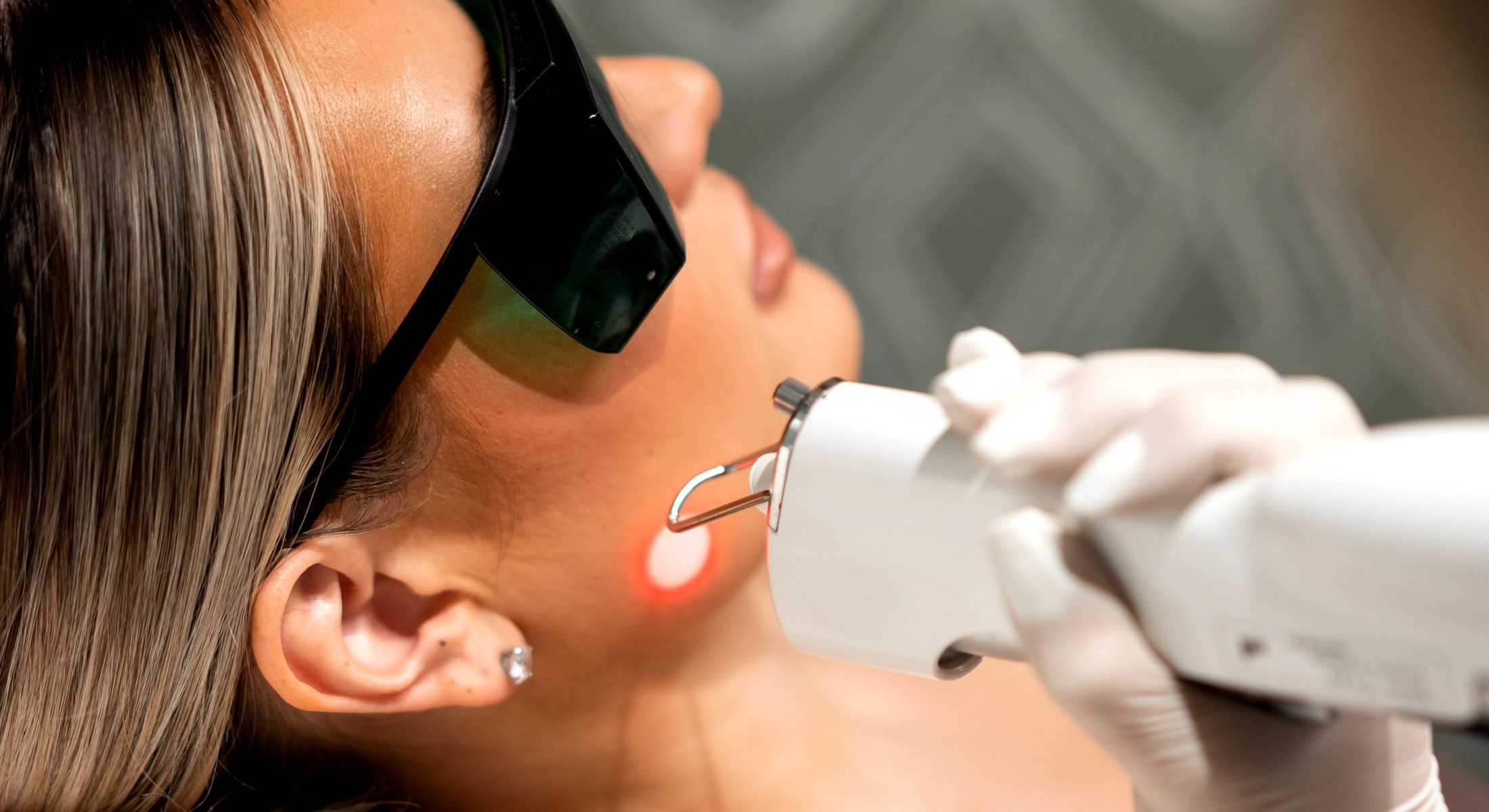
An ingrown hair occurs when a hair grows back into or underneath the skin instead of growing outward normally.
This often happens after shaving, waxing, tweezing, or other methods of hair removal. When hair is cut very close to the skin, the hair can sometimes curl back toward the skin as it begins growing again.
Your body may react to the trapped hair as if it were a foreign object, creating inflammation around the area. The result may look like a small red or skin-colored bump and can sometimes become itchy, tender, or painful.
Ingrown hairs can happen to anyone, but they tend to be more common among people with coarse or tightly curled hair. Curved hairs are more likely to turn back toward the skin as they grow.
Ingrown hairs commonly appear in areas that are frequently shaved, including the face, beard, and neckline, underarms, bikini area, legs, chest, and back. Repeated ingrown hairs aren't only annoying. Picking at them or experiencing recurring inflammation can sometimes contribute to discoloration and scarring.
And if you shave frequently, you may find yourself stuck in a cycle: shave the hair, develop an ingrown hair, wait for the skin to calm down, and then shave again.
Although people often use the terms interchangeably, razor burn and razor bumps aren't the same thing.
Razor burn is skin irritation caused by shaving. It can leave the skin looking red or feeling sensitive, itchy, or uncomfortable shortly after you shave. Several factors can make razor burn more likely, including shaving too aggressively, repeatedly going over the same area, using a dull razor, shaving without enough lubrication, or shaving against the direction of hair growth.
Razor bumps, on the other hand, develop when shaved hairs curve back toward the skin and become ingrown. The medical term for this condition is pseudofolliculitis barbae. Razor bumps are particularly common around the beard and neck, although they can develop anywhere hair is regularly shaved or plucked.
People with coarse, curly, or tightly curled hair may experience razor bumps more frequently because of the way their hair naturally grows. For some people, this means shaving the face or neck almost inevitably leads to bumps and irritation.
This can become particularly frustrating if you need or prefer to maintain a clean-shaven appearance.
Laser hair removal approaches the problem differently from shaving.
When you shave, you're cutting the hair at or near the surface of your skin. The follicle underneath remains intact, which means the hair continues growing and must be shaved again. Laser hair removal uses concentrated light energy to target pigment within the hair. That energy damages the follicle responsible for producing the hair, gradually reducing its ability to grow new hair.
Because hair grows in different cycles, laser hair removal requires a series of treatments rather than one appointment. As treatments progress, however, you'll typically notice less hair growing in the treated area. Remaining hair may also become finer or lighter. And that's where laser hair removal can make such a difference for people prone to ingrown hairs.
Less hair growth means fewer hairs available to become trapped beneath the skin.
It can also mean significantly less shaving. If shaving is repeatedly causing razor burn or bumps, reducing how frequently you need to shave removes one of the major triggers behind that irritation.
This is one reason laser hair removal can be especially appealing for men who regularly shave their face, neck, chest, back, or other areas of the body.
It can also be helpful for anyone who regularly removes facial or body hair, including members of the LGBTQ+ community seeking a grooming routine or appearance that feels right for them. Laser hair removal can be customized around your goals, whether you want to reduce hair in one particular area or pursue more comprehensive hair reduction.
Preparing correctly for laser hair removal can help make your treatments safer and more effective.
Your provider should give you personalized instructions before your appointment, but there are several things you can generally expect.
Shave the treatment area before your appointment. You will typically be asked to shave shortly before treatment. Unlike waxing, shaving leaves the hair follicle beneath the skin intact so the laser can target it.
Avoid waxing and tweezing before treatment. Waxing and tweezing pull hair out from the root. Because laser hair removal needs the follicle and hair pigment present to work effectively, you'll generally need to stop these methods before beginning treatment.
Avoid tanning and excessive sun exposure. A recent tan can affect how your skin responds to laser treatment. Follow your provider's instructions about sun exposure before and after your appointments.
Tell your provider about medications and skincare products you use. Certain medications or active skincare ingredients may make your skin more sensitive. Your provider can tell you whether anything needs to be temporarily adjusted before treatment.
Arrive with clean skin. Depending on the area being treated, you may be asked to avoid lotions, deodorant, makeup, or other products on the treatment area the day of your appointment.
Most importantly, follow the specific instructions provided by your laser specialist. Your skin tone, hair type, treatment area, and medical history can all influence how your treatment plan is designed.
For people who only experience an occasional razor bump, changing shaving techniques may be enough to help. But when razor bumps happen over and over again, the bigger problem may be the constant cycle of hair removal and regrowth.
You shave.
The hair begins growing back.
Some of those hairs curl back into the skin.
The area becomes inflamed.
Eventually, you shave again—and the process starts all over.
Laser hair removal offers a way to interrupt that cycle by addressing the hair itself.
Instead of trying to manage bumps every time they appear, you're gradually reducing the amount of hair growing in the area in the first place. That can mean fewer ingrown hairs and razor bumps, less frequent shaving and shaving-related irritation, smoother-looking skin, and less time spent on hair removal. For many people, it can also mean feeling more confident in areas that previously felt difficult or frustrating to maintain.
This can be particularly valuable for people who have dealt with ingrown hairs for years or who feel like they've tried every razor, shaving cream, exfoliant, and technique available.
Laser hair removal can also offer more freedom around how you choose to present yourself.
For some clients, that means no longer shaving their neck every morning. For others, it means reducing unwanted hair on the chest, back, bikini area, legs, face, or another part of the body. For transgender and gender-diverse clients, reducing unwanted facial or body hair may also be an important part of creating an appearance that feels more aligned with who they are.
There isn't one "right" reason to want less hair.
At Kalon Laser Aesthetics, we create personalized laser hair removal plans based on your skin, hair, treatment area, and individual goals.
If you're tired of constantly shaving only to deal with ingrown hairs, razor bumps, and irritation afterward, laser hair removal may be worth considering.
Schedule a consultation with Kalon Laser Aesthetics in Denver to learn whether laser hair removal is right for you.